
📱 CULTURE SHIFT · 2026
From search to social commerce, the short‑video giant rewired the way we create, consume, and connect.
🇺🇸 2026 snapshot
“TikTok isn’t just an app—it’s the new cultural operating system”
Table of Contents
ToggleSix years after the algorithm took over, American tech culture dances to a beat set by 15‑second loops. From how we search to how we buy homes, TikTok rewired everything.
⏱️
95 min
average daily U.S. user time (2026)
3 ways TikTok rewired American tech
🔍
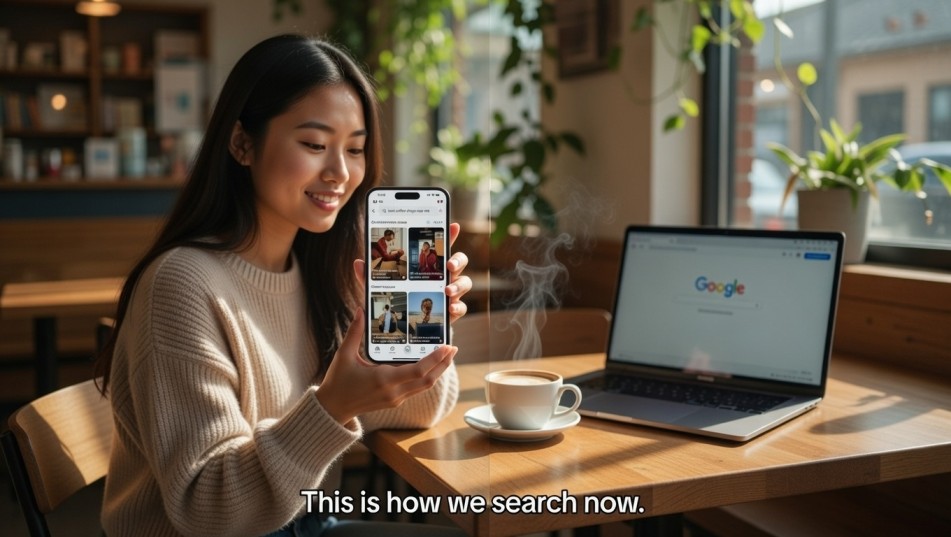
Search is dead, long live #Search
Gen Z opens TikTok before Google. Restaurant reviews, DIY tutorials, investment tips—all delivered by creators. Google responded with AI overviews, but the habit is set: 46% of 18‑34 year‑olds start here.
🛍️
The death of the homepage
TikTok Shop turned scrolling into impulse buying. Live selling, affiliate links, and “TikTok made me buy it” are now retail fundamentals. Small businesses build entire revenue streams on viral 30‑second clips.
🎵
Music, remixed and democratized
Unknown artists blow up overnight. Dance challenges resurrect decades‑old tracks. The algorithm dictates the Billboard charts. Record labels now scout talent by engagement metrics, not demo tapes.
Two Americas, both reshaped
📍 NASHVILLE, TN
The songwriter’s new demo tape
“I got my record deal from a 15‑second hook.” Emerging artist Maya K. posted a chorus snippet; it soundtracked 200k videos. Now she headlines festivals—discovered entirely by the algorithm.
📍 BOISE, ID
The hardware store goes viral
A family‑run lumberyard started posting daily tips—how to fix a fence, pick the right nail. One clip hit 3M views. Now they ship custom kits nationwide, all from Boise.
The numbers that explain everything
Every industry, after TikTok
📚
Publishing
#BookTok sells millions of copies. Backlist titles become bestsellers overnight.
🍔
Food & dining
Viral recipes (see: baked feta pasta) create supply shortages. Restaurants design “TikTok menus”.
🏡
Real estate
Agents go live showing homes. #HouseTour videos sell properties before open houses.
💼
Career & jobs
#CareerTok gives job advice; recruiters DM candidates they discover.
But is it really “culture”? Or just an app?
Critics call it distraction. But walk into any high school, coffee shop, or corporate boardroom—TikTok references, sounds, and memes are the lingua franca. The app didn’t just capture attention; it created a shared vocabulary. When a 60‑year‑old CEO starts a meeting with “I saw this on TikTok,” you know the shift is complete.
The algorithm as tastemaker
Forget human editors. The For You Page decides what’s funny, what’s beautiful, what’s important. This democratized fame—a teenager in Ohio can reach more people than a network TV show—but also created a frantic chase for virality. American tech culture now optimizes for algorithmic approval, not human curation.
⚙️
“The algorithm knows what I want before I do. It’s creepy and addictive.” — 22‑year‑old respondent
How brands and creators keep up
1
Ride trends, fast
Viral sounds and memes die in days. Brands employ full‑time trend spotters.
2
Authenticity over polish
High‑production ads flop. Raw, unscripted, employee‑driven content wins.
3
Engage, don’t broadcast
Duets, comments, and challenges build community. One‑way messaging is dead.
Not everyone is dancing: mental health & polarization
The same algorithm that connects communities also amplifies anxiety, comparison, and filter bubbles. Lawmakers debate bans, schools struggle with distraction, and researchers link heavy use to body image issues. In 2026, American tech culture is having a reckoning: how do we keep the creativity without the harm?
What’s next? TikTok’s second act
As 2026 unfolds, TikTok isn’t just video—it’s a search engine, a shopping mall, a music label, and a social network rolled into one. American tech companies have spent years cloning its features, but the culture it created—fast, visual, algorithmic—is here to stay. The question isn’t whether TikTok will survive; it’s whether America’s tech culture can evolve beyond the endless scroll.
❝ TikTok took American culture out of the boardroom and put it in the hands of a 16‑year‑old with a ring light. That’s either terrifying or beautiful—probably both. ❞
— Jia Tolentino, culture writer, on the 2026 landscape.