

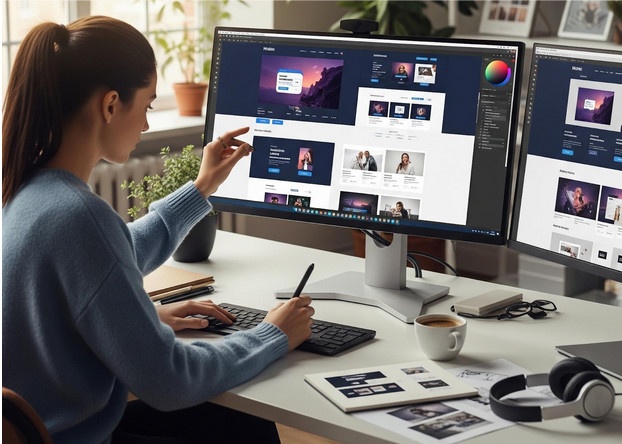
You put a lot of hard work into getting people to visit your website. But what happens once they finally arrive? If they feel confused or overwhelmed, they will likely leave before taking any action. This is where user experience, commonly known as UX, changes everything. A great landing page guides your visitors exactly where they need to go, turning casual browsers into enthusiastic buyers or subscribers.
Starting a page from scratch can feel daunting. But you don’t have to. With a landing page template, you get a solid, well-designed foundation. These layouts are already set up to help your visitors get around easily and make clear decisions.
In this guide, we will explore why UX matters so much for your conversion rates. You will learn the main elements of an effective layout and discover how pre-made designs simplify your entire workflow. We will also cover exactly what features to look for and share actionable tips to help you choose the perfect fit for your specific goals. Let us jump right in and start building pages that bring you real results.
Why UX makes or breaks your landing page
User experience is simply how a person feels when they interact with your website. When the experience is smooth and logical, people feel relaxed and confident. When a page is cluttered or confusing, people feel frustrated. Frustrated visitors do not buy products or sign up for newsletters. They simply close the tab and move on.
Good UX removes friction from the decision-making process. Think of your landing page like a well-organized physical store. If you walk into a store and the aisles are clean, the signs are clear, and the checkout counter is easy to find, you are much more likely to make a purchase. Your web design should offer that exact same feeling of clarity and comfort.
When you prioritize the user’s journey, you build instant trust. A professional, easy-to-use page tells your visitors that you run a reliable business. It shows that you care about their time and want to make their lives easier. This trust is the absolute foundation of high conversion rates.
Core elements of an effective landing page
Great landing pages do not happen by accident. They follow specific design rules that guide the human eye and encourage action. When you use the best landing page templates for UX web design, you will notice they all share these foundational elements.
A clear, benefit-driven headline
Your visitors will decide whether to stay or leave within the first few seconds. Your headline must immediately tell them what you offer and why it matters. Avoid clever riddles or vague statements. Focus on the direct benefit your product or service provides to the user. Make it large, easy to read, and impossible to ignore.
Purposeful visual hierarchy
Visual hierarchy is the arrangement of elements to show their importance. Your eyes naturally jump to larger text and brighter colors first. Effective templates use this principle to guide visitors down the page in a logical order. They start with the main headline, move to a short explanatory paragraph, and lead directly to the main action button.
Generous white space
White space, or negative space, is the empty area between your text, images, and buttons. It gives your content room to breathe. Pages packed with too much information feel overwhelming and stressful. Generous white space helps visitors focus on one idea at a time, making your message much easier to digest.
Strong social proof
People want to know that others trust your business before they take the leap. Adding testimonials, star ratings, or logos of past clients provides powerful reassurance. A great layout gives you dedicated, beautiful sections to display this social proof right near the action buttons.
How templates simplify the design process
Creating a high-converting page requires an understanding of psychology, design theory, and copywriting. If you try to build this completely on your own, you might spend weeks tweaking layouts and second-guessing your choices. Templates offer a brilliant shortcut to success.
Professional designers spend countless hours researching and testing these layouts. They study how people scroll, where they click, and what makes them convert. When you use a template, you instantly adopt all of that expert knowledge. You get a structure that is already proven to work.
This saves you a massive amount of time and energy. Instead of worrying about grid alignments or button padding, you can focus purely on your message. You simply choose a layout that fits your goal and swap out the placeholder text with your own words. When choosing content for that template you can even remove background from images you wish to upload to enhance them. This is how you go from a blank canvas to a published page in a fraction of the time.
Essential features to look for in your template
Not all designs are created equal. As you browse through different options, you need to ensure the template you choose has the right technical features to support a great user experience. Here are the most critical features to look out for.
Perfect mobile responsiveness
Over half of your visitors will see your page on a smartphone, so knowing how to craft delightful mobile UX is a must. If people have to pinch and zoom just to read your text, they’ll likely leave. Choose a layout that automatically adapts to smaller screens. This means your text stays large and readable, images scale perfectly, and buttons are easy to tap with a thumb.
Clear and compelling CTAs
Your Call to Action (CTA) is the most important part of the entire page. It is the button that tells visitors exactly what to do next, like “Buy Now” or “Get Your Free Guide.” The best landing page templates for UX web design feature large, contrasting buttons that draw the eye immediately. They place these buttons in multiple strategic locations so the visitor never has to scroll far to take action.
Fast loading times
Speed is a massive part of the user experience. If your page takes more than three seconds to load, you will lose a large portion of your audience before they even see your headline. Look for templates built with clean, modern code. Avoid layouts that rely on heavy, unnecessary animations that slow down the browsing experience.
Accessible design elements
A great page works beautifully for everyone, including people with visual impairments. Your chosen layout should use high-contrast colors so the text is easy to read against the background. It should also support clear headings and logical navigation paths. Accessibility not only helps your users but also improves your search engine rankings.
Actionable tips for choosing the right template
With so many beautiful options available, finding the perfect match might feel a bit daunting. Follow these simple, actionable tips to select a template that aligns perfectly with your business goals.
Match the layout to your specific goal
Every landing page should have one single focus. If your goal is to collect email addresses, look for a template that places a short, clean form right near the top of the page. If your goal is to sell a physical product, choose a design that features large image galleries and a prominent pricing section. Do not try to force a newsletter template to act as a sales page.
Check for easy customization
Your template gives you a head start, but it still needs to look like your brand. Before you commit, make sure you can easily change the colors, fonts, and button shapes to match your style. You want a layout that is rigid enough to maintain good UX principles, but flexible enough to let your personality shine through.
Review the required content length
Take a close look at how much text the template uses. If you only have a few short paragraphs prepared, do not choose a massive, scrolling layout designed for a 2,000-word sales letter. Your page will look empty and unfinished. Choose a layout that naturally fits the amount of content you actually have ready to go.
Where landing page templates truly excel
Pre-made UX layouts work beautifully across almost every industry. However, there are a few specific use cases where they provide an absolutely massive advantage. Here is how different businesses use these designs to grow.
E-commerce product launches
When you release a brand new product, you want people focused entirely on that specific item. A dedicated landing page removes the distraction of your main website navigation. E-commerce templates feature massive hero images, clear benefit bullet points, and urgency elements like countdown timers. They guide the shopper smoothly from discovering the product straight to the checkout cart.
Coaching and consulting services
If you sell your expertise, your visitors need to trust you before they book a call. Templates built for coaches provide perfectly structured sections to tell your personal story. They include areas for video introductions, client success stories, and clear breakdowns of your service packages. This organized approach makes you look incredibly professional and approachable.
Software and app downloads
Software companies rely on explaining complex features in very simple ways. Templates for apps use smart icons and short text blocks to break down technical information. They often feature a clear, central button encouraging the user to “Start Your Free Trial.” The clean, modern aesthetic of these layouts reassures users that the software itself will be just as easy to use.
Take the next step and launch your page
Creating a beautiful, high-converting web page is entirely within your reach. You do not need to spend months studying design theory or fighting with complicated code. By focusing on how your visitors feel and using proven layouts, you set yourself up for immediate success.
The best landing page templates for UX web design provide the perfect launchpad for your next big idea. They remove the guesswork, save you valuable time, and ensure your visitors enjoy a smooth, professional journey from start to finish.
Now it is your turn to put these ideas into action. Take a few minutes to clarify your main goal and write down your core message. Browse through a selection of modern templates and find the layout that catches your eye. Swap in your own text, add your favorite photos, and hit publish. Your audience is out there waiting for what you have to offer. Give them a beautiful, easy way to connect with your business today.