

Smart shoppers compare more than price when weighing different used vehicles. The right pick balances safety, condition, and total cost over the next few years. Use this guide to organize your search, shorten decision time, and avoid costly surprises later.
Budget And Total Cost
Start by setting a cap that includes taxes, registration, insurance, and the first year of maintenance. A car that barely fits your target on price alone can strain your budget once you add tires, fluids, and small fixes.
Project monthly running costs before you fall in love with any model. Fuel economy, insurance class, and parts prices can vary a lot between trims. If one option saves $80 a month to own, that can outweigh a small difference at purchase.
Space, Comfort, And Everyday Use
Do a reality test with your daily gear. Load a stroller, instruments, or gym bags. Fold every seat, find the spare, and check that the cargo cover is present. Sit in each seat to confirm headroom and child seat access.
Ergonomics matter on commutes. Check seat support, visibility over the hood, and control layout.
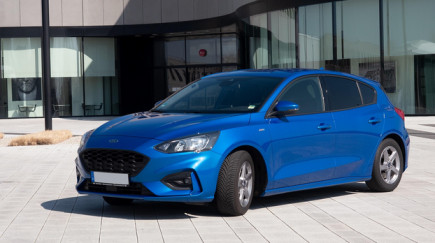
Small things like a telescoping wheel or a quieter cabin can reduce fatigue more than you expect. If you need a third row or extra cargo, you can compare layouts across brands and even narrow within one lineup through used Ford cars, then return to local listings with a clearer short list. If towing or weekend trips are on the plan, verify the factory tow rating, cooling package, and hitch wiring.
Aftermarket parts may look tidy but not meet the original spec. Add a short highway hill climb to your test to see how the drivetrain feels under load.
Safety And Crash Protection
Safety is not just about features you can see. Vehicle structure and mass play a big role in real crashes. Look for models with strong crash test results, and prioritize essentials like automatic emergency braking and lane keeping where available.
Independent crash researchers note that larger, heavier vehicles tend to protect occupants better than smaller, lighter ones, which can guide you if you are choosing between sizes.
That does not mean bigger is always better – parking, maneuverability, and fuel use still matter. Try a city loop and a highway merge to feel how each candidate behaves at speed.
When comparing trims within a model line, verify that safety tech is actually included and not locked behind a package.
Some used listings mention sensors or cameras that were optional when new. Confirm with a short feature test during the drive and a quick scan of the instrument cluster.
Vehicle History, Recalls, And Title Checks
History reports are a starting point, not the whole story. Read for consistent mileage, regular oil changes, and the locations where the car lived. Salt states, flood regions, or frequent auction moves can hint at hidden wear.
Do not skip recall checks. A consumer advocacy outlet has pointed out that used car dealers are not always required to disclose open recalls, so it is on you to verify the status before purchase.
Use the VIN with a manufacturer’s service department to confirm if repairs are complete. Ask for receipts that match the mileage, and keep copies with your records.
If anything feels off, walk. Title issues, mismatched VIN plates, or a seller who refuses a pre-purchase inspection are all red flags. Saving an hour today can save thousands later.
Test Drive And Mechanical Condition
Treat the test like a mini inspection. Begin with a cold start to catch rough idle, smoke, or noisy lifters. On the road, vary speeds and surfaces, then brake firmly from 60 km/h to check for pull or vibration.
Use a simple checklist, so you do not miss big items while you focus on the drive:
- Oil and coolant condition
- Transmission shift quality in manual and automatic modes
- Suspension clunks over speed bumps and angled driveways
- Steering play and straight-line tracking
- HVAC heat and A/C performance
Finish with an independent inspection, especially for older turbo engines or vehicles with air suspension. A scan for stored codes and a quick look under the car can reveal leaks, worn bushings, or uneven tire wear that a short drive will not show.
Financing, Timing, And Negotiation
Pre-qualify with your bank or credit union so you know your ceiling and rate. That puts you in a stronger position when a seller offers in-house financing. Bring proof of funds or loan approval to speed paperwork if the car checks out.
Match timing to your needs. Buying just after a major service or tire replacement can save you the next big bill.
If you can be flexible on color or trim, widen your search radius by 50 to 100 km and compare several clean examples. Negotiation is easier when you have options that fit your needs.
Keep the contract clean. Confirm there are no add-ons you did not request, and set a short window for any promised repairs. If a seller balks at a fair inspection or refuses to fix a safety item, be ready to walk to the next candidate on your list.
Choosing between used vehicles should feel calm and methodical, not rushed. If you weigh safety, confirm recall status, test real-world comfort, and keep total cost in view, you will land on a car that fits your life and your budget.
A careful hour of prep can turn a good deal into a great ownership experience.