
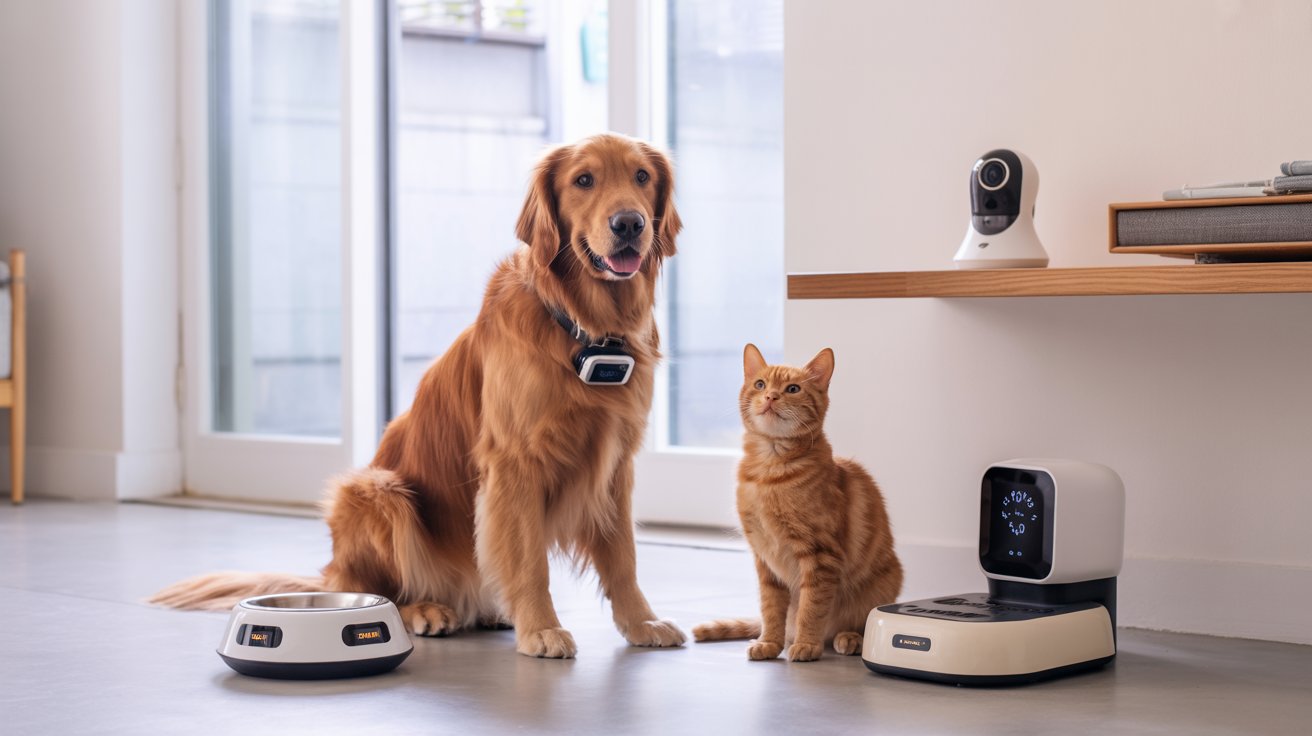
Pet ownership has changed dramatically in recent years, and technology is playing a bigger role than ever. From keeping track of a pet’s location to managing their diet remotely, the tools available today go far beyond the basics of a collar and a food bowl.
Whether it’s a dog that tends to slip out of the garden or a cat that needs medication on a strict schedule, there’s likely a tech solution that can help. The challenge is knowing which tools are actually worth the investment and which ones are just gimmicks.
Here are five tech tools that are genuinely making life easier and safer for pet owners.
1. GPS Pet Trackers
While smart tags work when someone finds a pet and scans the tag, GPS trackers take a different approach by providing real-time location data. These devices attach to a pet’s collar and use cellular networks to broadcast the pet’s position to the owner’s phone.
Tractive is one of the most popular GPS trackers on the market. It offers live tracking, virtual fence alerts that notify owners when a pet leaves a designated area, and activity monitoring that tracks how much exercise the pet is getting each day.
GPS trackers are particularly useful for:
- Pets that roam – Cats that spend time outdoors or dogs in rural areas with large properties.
- Escape artists – Dogs prone to anxiety-driven bolting or those who haven’t fully mastered recall.
- Travel situations – Unfamiliar environments increase the risk of a pet getting lost.
The trade-off is that GPS trackers require regular charging (typically every few days), add some bulk to the collar, and come with a monthly subscription fee. Many pet owners find that pairing a GPS tracker with a smart QR tag like Supernormal gives the best of both worlds – real-time tracking when needed and a lightweight, always-on identification solution that never needs charging.
1. Smart QR and NFC Pet Tags
Traditional engraved pet tags have been around for decades, but they come with well-known limitations. The engraving wears down over time, there’s only room for a name and a single phone number, and updating the information means buying a new tag entirely.
Smart pet tags solve all of these problems. Instead of engraved text, the tag features a QR code that anyone can scan with a smartphone. The scan opens a digital profile containing the pet’s name, photo, multiple emergency contacts, medical information, and any special notes the owner wants to include. Everything can be updated at any time without replacing the physical tag.
Supernormal is one of the standout options in this space. Their tags use both QR code and NFC technology, which means a finder can either scan the code with their camera or simply tap their phone against the tag. No app download is required on the finder’s end, which removes a major friction point in getting a lost pet home quickly.
What sets Supernormal apart from basic QR tags is the additional platform behind it. The service includes:
- Community alerts – When a pet is marked as lost, nearby Supernormal members, vets, and shelters are automatically notified.
- GPS location sharing – When someone scans the tag, the pet’s location is shared with the owner instantly.
- AI vet and trainer access – The platform offers tailored advice based on the pet’s breed and profile, helping owners avoid unnecessary vet visits.
- Smart reminders – Owners can set alerts for medication, grooming appointments, or any recurring task.
For anyone who travels with their pet or simply wants peace of mind during daily walks, a smart tag is one of the most practical upgrades available.
3. Interactive Pet Cameras
Leaving a pet home alone is a reality for most owners, and it can be a source of genuine worry – especially for pets that struggle with separation anxiety. Interactive pet cameras have become a popular solution, offering much more than a simple video feed.
Modern pet cameras like Furbo and Petcube allow owners to:
- Watch live video – Check in on a pet from anywhere using a smartphone app.
- Talk to their pet – Two-way audio lets owners soothe an anxious pet or interrupt unwanted behaviour.
- Dispense treats remotely – Some cameras have built-in treat launchers to reward calm behaviour or simply brighten a pet’s day.
- Receive bark and motion alerts – Notifications are sent when the camera detects unusual activity.
These cameras are especially helpful during the early stages of crate training or when introducing a new pet to the home. They can also provide valuable insight into what triggers destructive behaviour when the owner is away, making it easier to address the root cause.
4. Automated Smart Feeders
Maintaining a consistent feeding schedule is one of the most important aspects of pet care, but busy lifestyles don’t always make it easy. Smart feeders automate the process, dispensing pre-measured portions at set times throughout the day.
Higher-end models from brands like PetSafe and PETLIBRO offer features such as:
- App-controlled scheduling – Set and adjust feeding times from a phone, even when away from home.
- Portion control – Programme exact meal sizes to help manage weight, which is particularly important for pets on a special diet or those transitioning between different foods.
- Multiple meal settings – Schedule several small meals throughout the day rather than one or two large ones.
- Camera integration – Some feeders include a built-in camera so owners can watch their pet eat and confirm the meal was dispensed correctly.
- Voice recording – Record a message that plays at meal time, so the pet hears a familiar voice even when the owner isn’t home.
For households with multiple pets, some smart feeders use microchip or collar-tag recognition to ensure each pet only accesses their own food. This is a game changer for owners managing different dietary needs across multiple animals.
Smart feeders are also a practical addition when travelling with pets isn’t an option and a pet sitter is handling things at home. The feeder maintains the routine while reducing the margin for human error.
5. Pet Health and Wellness Apps
Keeping track of vet appointments, vaccination records, medication schedules, and general health observations used to mean a drawer full of paperwork and a calendar covered in reminders. Pet health apps consolidate all of this into a single, accessible platform.
Apps like PetDesk and Pet First Aid by the Red Cross offer features including:
- Digital health records – Store vaccination certificates, test results, and treatment histories in one place.
- Appointment reminders – Automated alerts for upcoming vet visits, flea treatments, or dental check-ups.
- Symptom checkers – Quick-reference guides that help owners assess whether a symptom requires immediate veterinary attention or can be monitored at home.
- Medication tracking – Log doses and set reminders to ensure nothing is missed, which is especially important for senior pets on multiple medications.
- Emergency resources – Quick access to poison control hotlines, first aid instructions, and nearby emergency vet clinics.
It’s worth noting that Supernormal’s platform also covers several of these bases. Their digital pet profile stores medical information that’s accessible via the tag itself, meaning anyone who finds a lost pet can immediately see critical health details like allergies or ongoing medications. Their AI vet feature provides breed-specific guidance that can help owners make informed decisions between scheduled vet visits.
For anyone building a pet emergency plan, having all health information digitally accessible – whether through a dedicated app or a smart tag platform – is significantly more reliable than paper records that can be lost or left behind.
Choosing the Right Tech for Your Pet
Not every pet owner needs all five of these tools. The right combination depends on the pet’s lifestyle, the owner’s routine, and the specific challenges they face.
A good starting point for most pet owners would be:
- A smart QR tag as the foundation – it’s lightweight, requires no charging, and ensures a pet can always be identified and returned home.
- A GPS tracker for pets that spend time outdoors unsupervised or are prone to running off.
- A pet camera or smart feeder for owners who spend long hours away from home.
- A health app for pets with ongoing medical needs or multi-pet households with complex care routines.
The common thread across all of these tools is that they reduce the guesswork and anxiety that comes with pet ownership. They don’t replace good training, regular vet care, or quality time with a pet – but they do provide a safety net that wasn’t available even a few years ago.
Technology can’t make a pet behave perfectly or guarantee they’ll never get lost. But it can make owners better prepared, better informed, and a lot less worried. And for most pet parents, that peace of mind is well worth the investment.